en
en
 Deutsch
 русский
 日本語
日本語
 हिंदी
हिंदी
 中文
中文

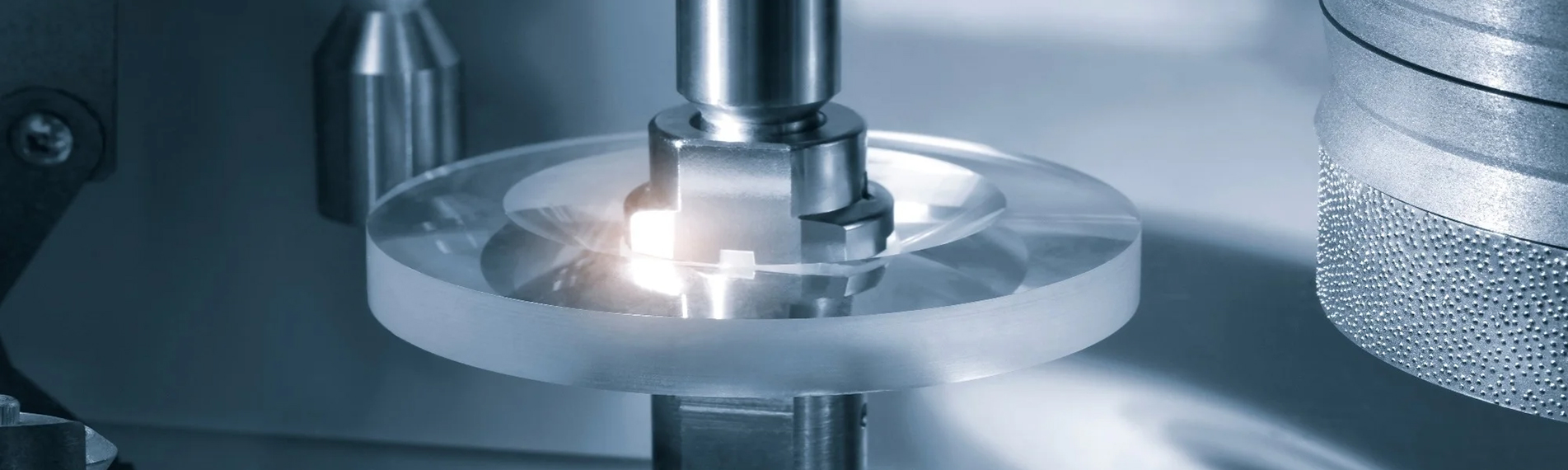
How to Specify Optical Coatings Without Surprises (AR, HR, Beam Splitters & Filters)
Many coating issues are not caused by “bad coating” but by incomplete specifications. Performance changes dramatically with wavelength range, angle of incidence (AOI), polarization, substrate material, and environmental conditions. This article provides a practical specification checklist to help your coating behave as expected in real use.
To avoid rework, include the following items in your inquiry or drawing notes:
If you are unsure about coating trade-offs, start with your application scenario and operating conditions. A short technical discussion upfront usually saves multiple sampling cycles later.
Need a coating recommendation? Share your wavelength range, AOI, polarization, substrate preference (if any), and target performance. We can propose a practical specification and sampling plan.
 Get Directions


Copyright @ 2026 Fujian Kire Optronics Co., LTD. All Rights Reserved.  Network Supported
leave a message
Scan to Wechat :

Scan to WhatsApp :